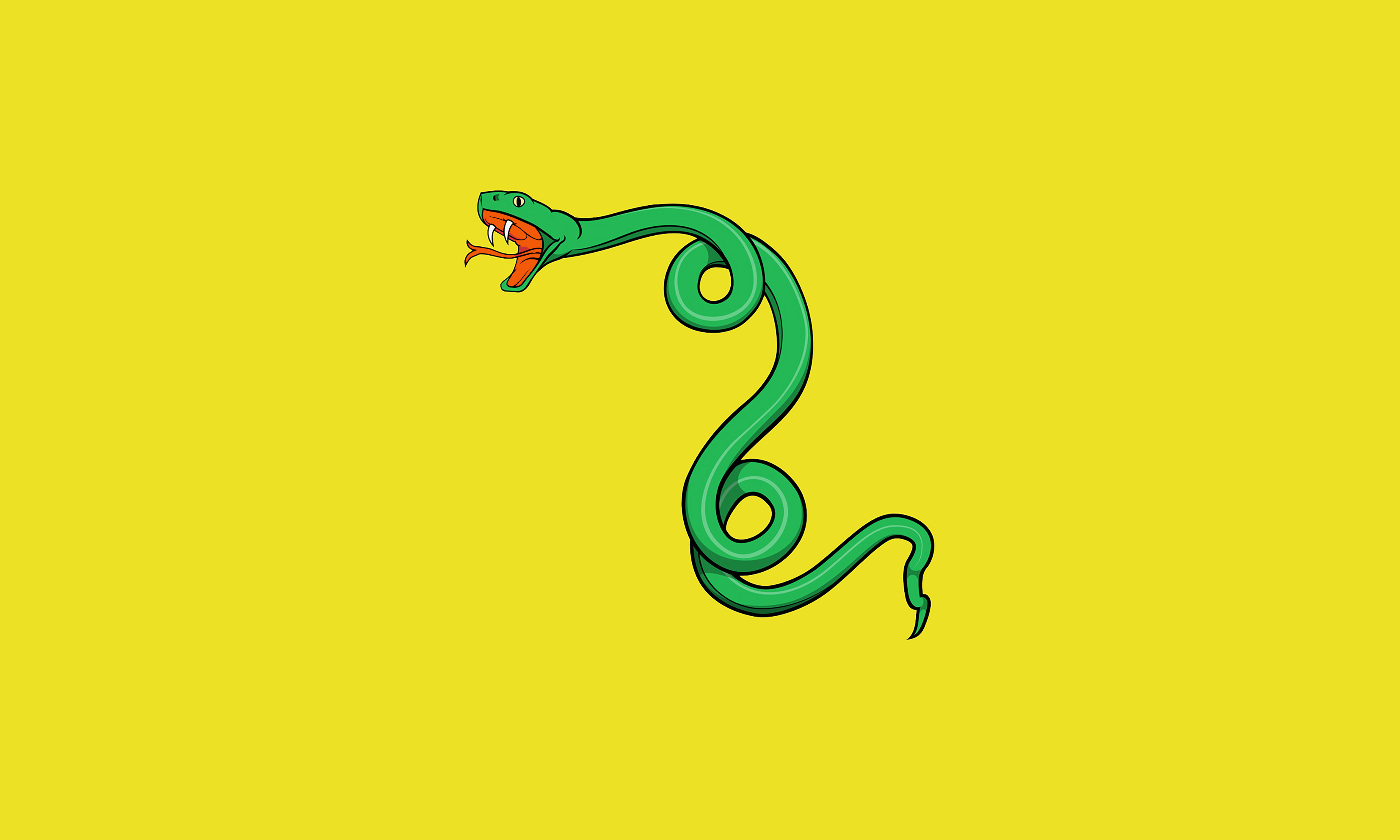
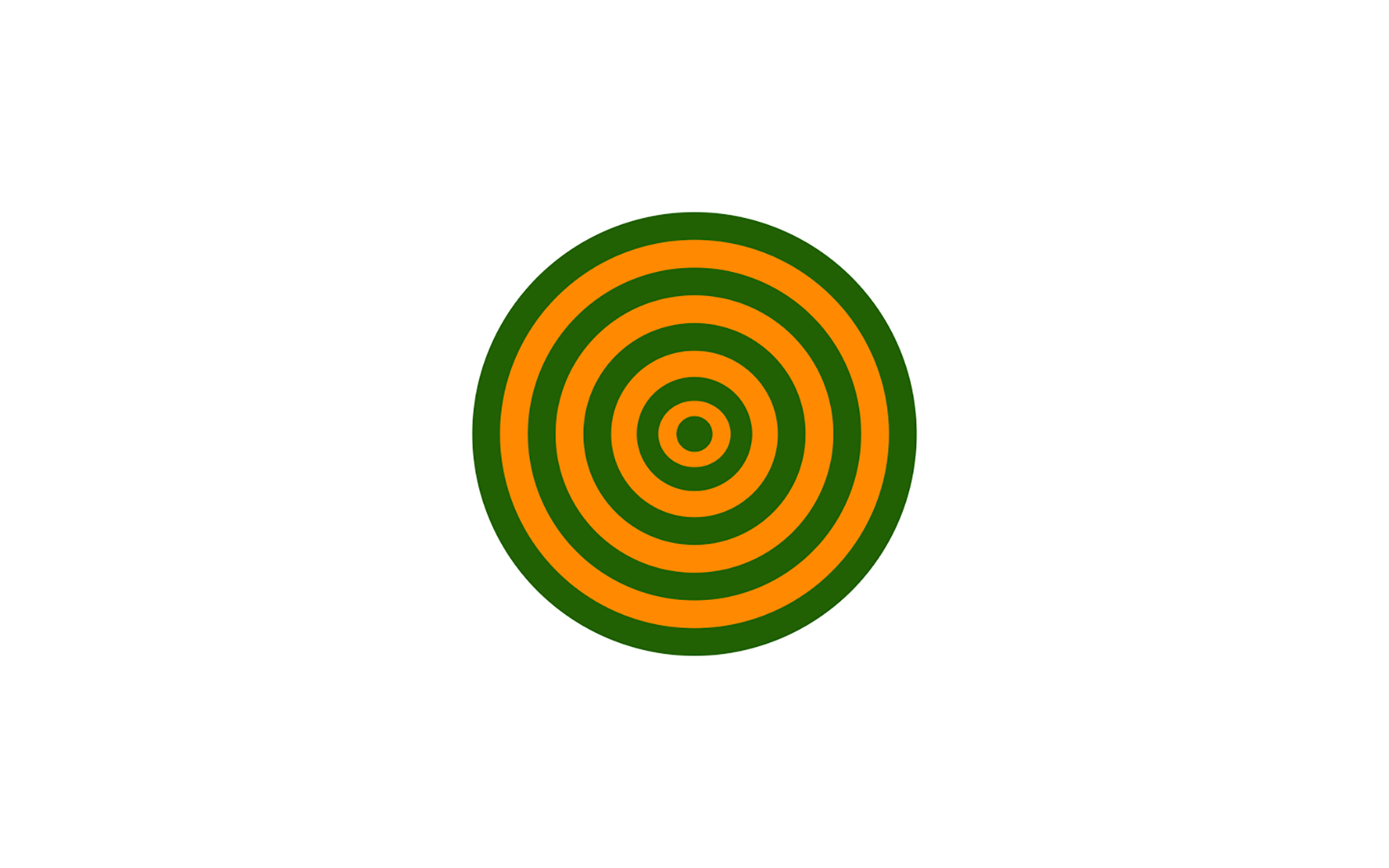
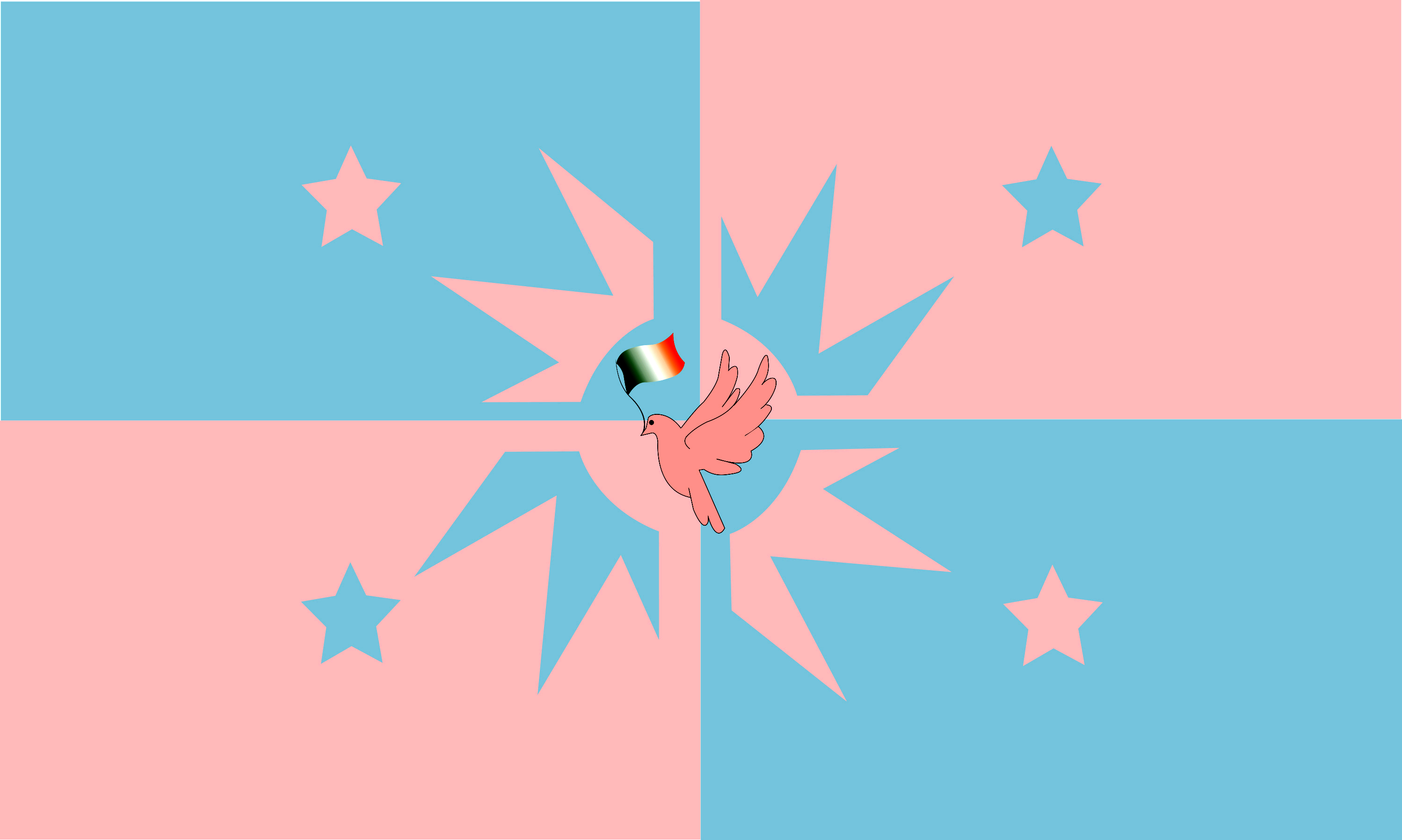
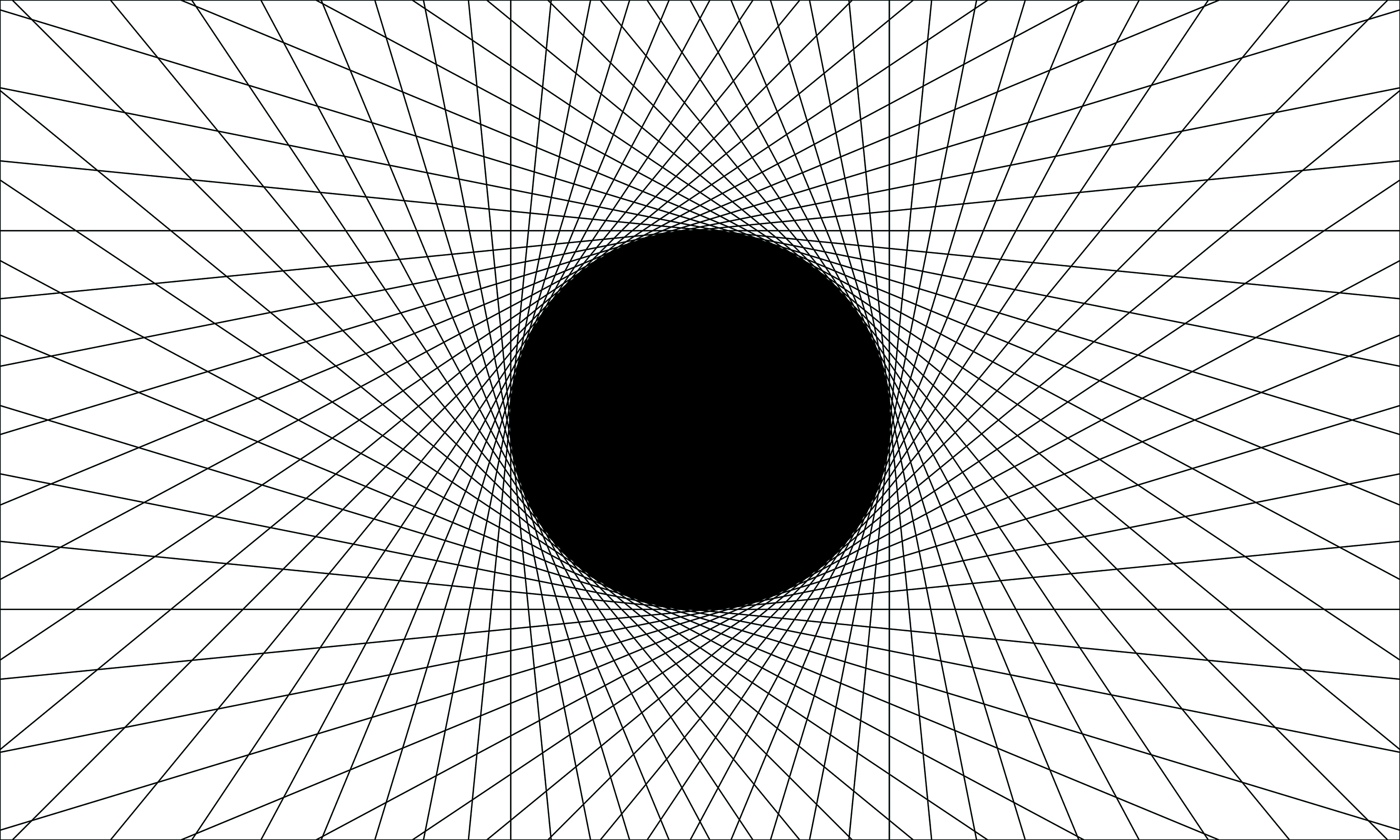
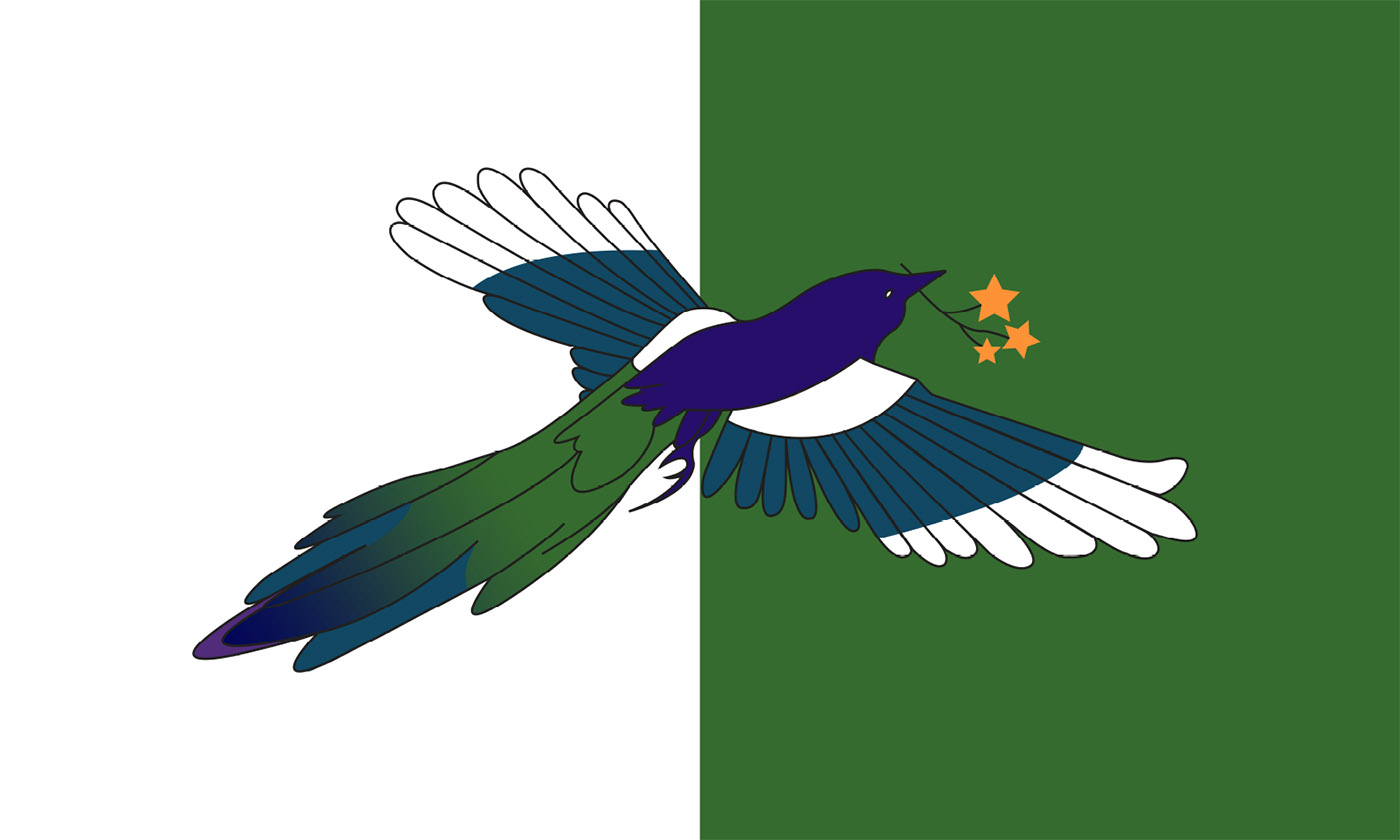
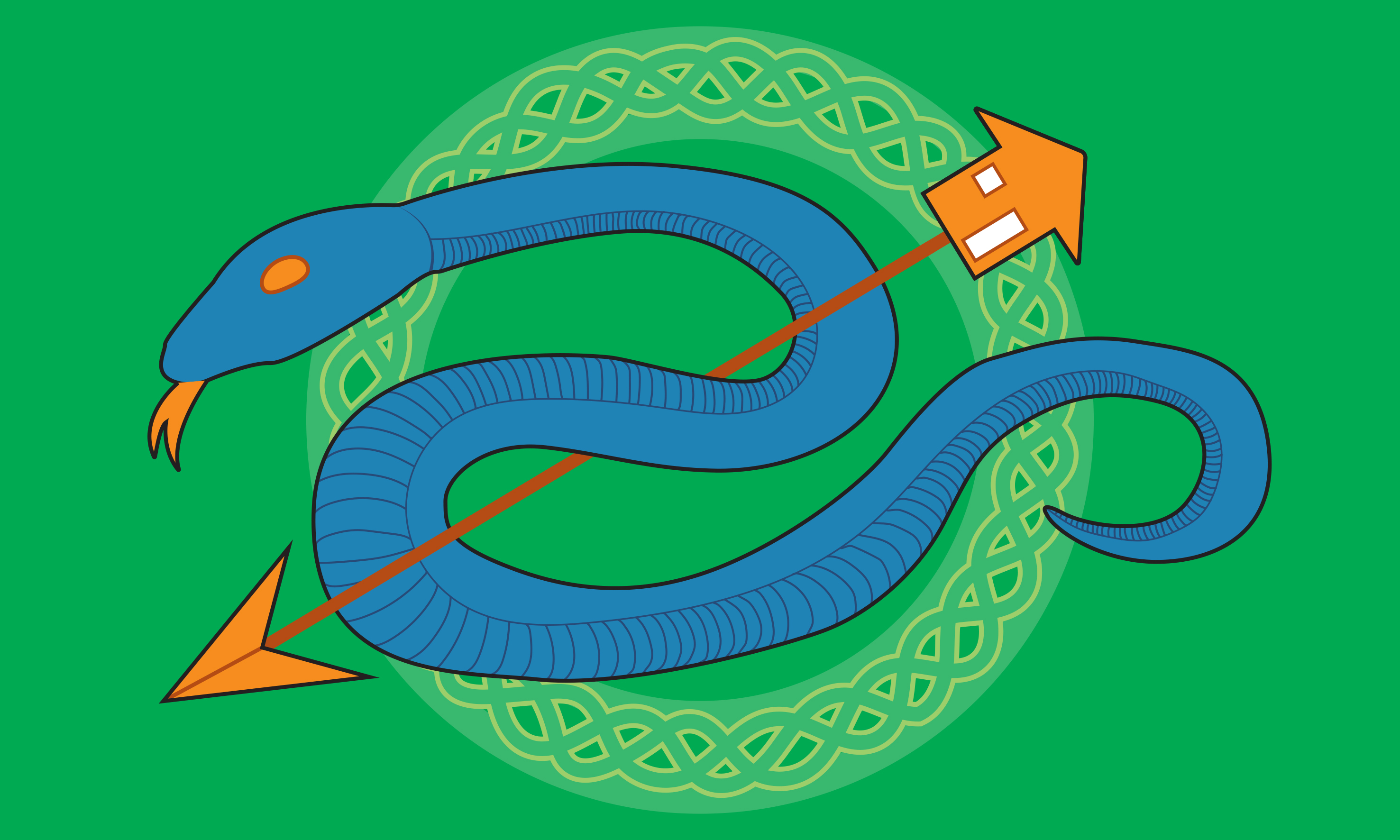
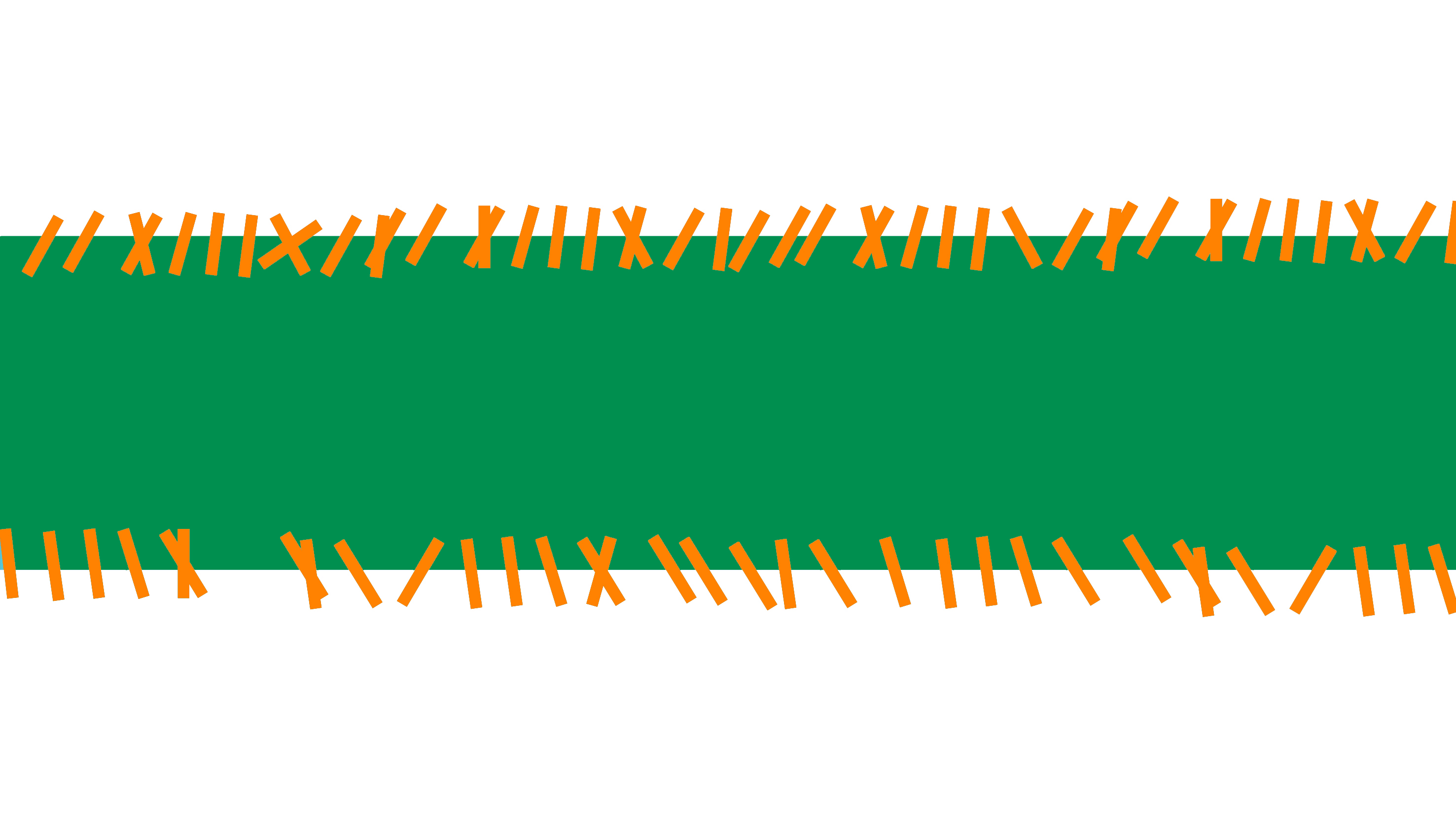
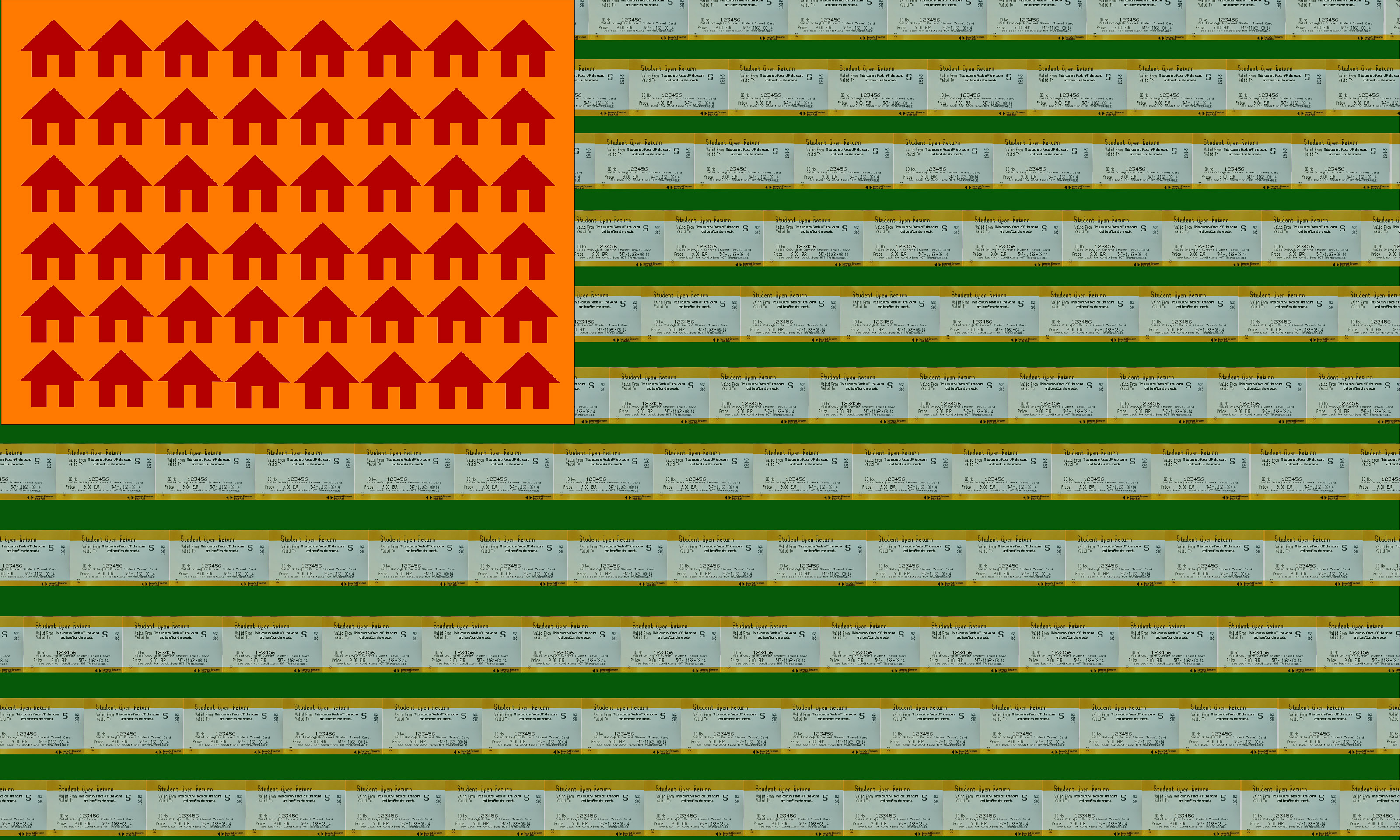
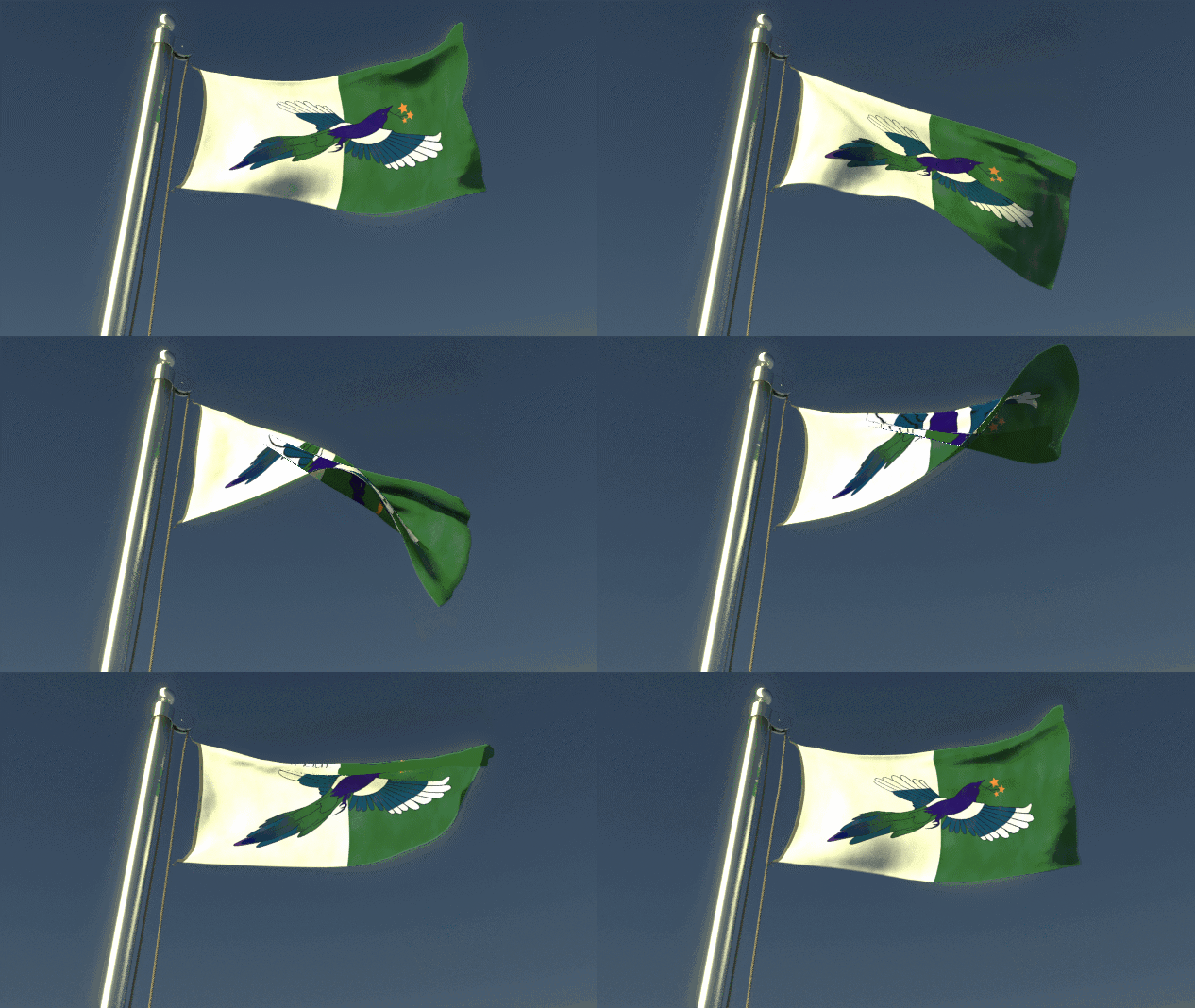
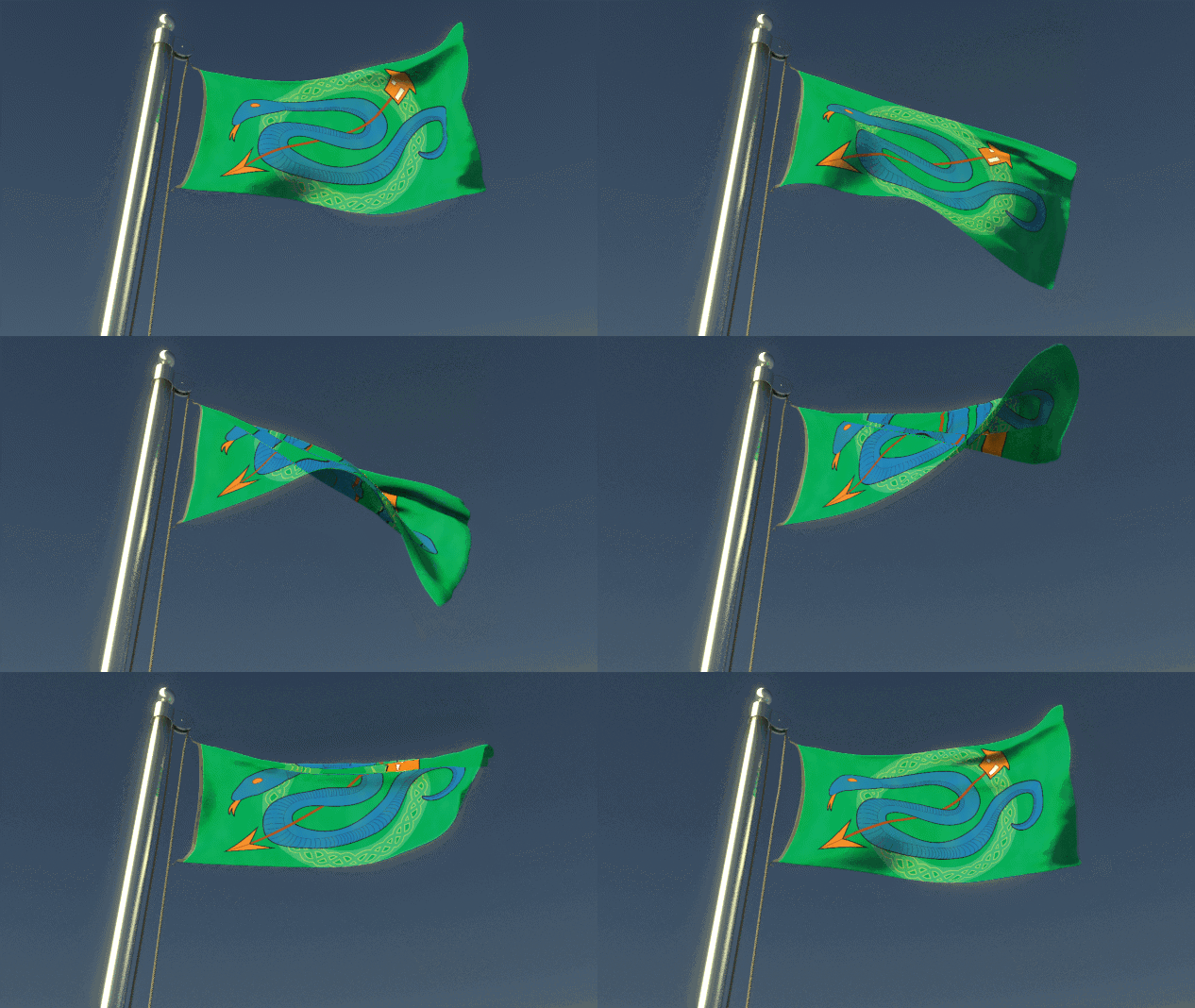
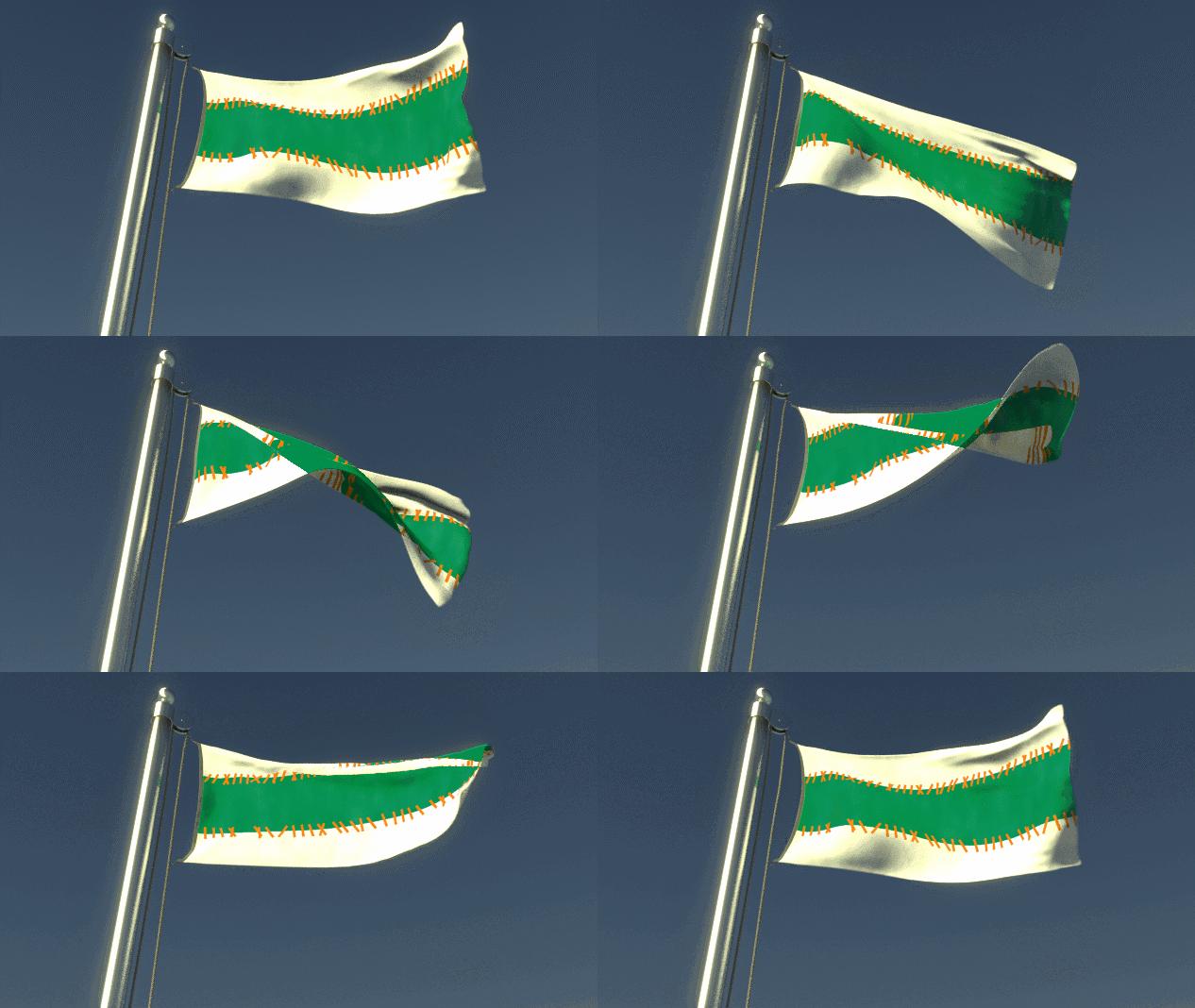
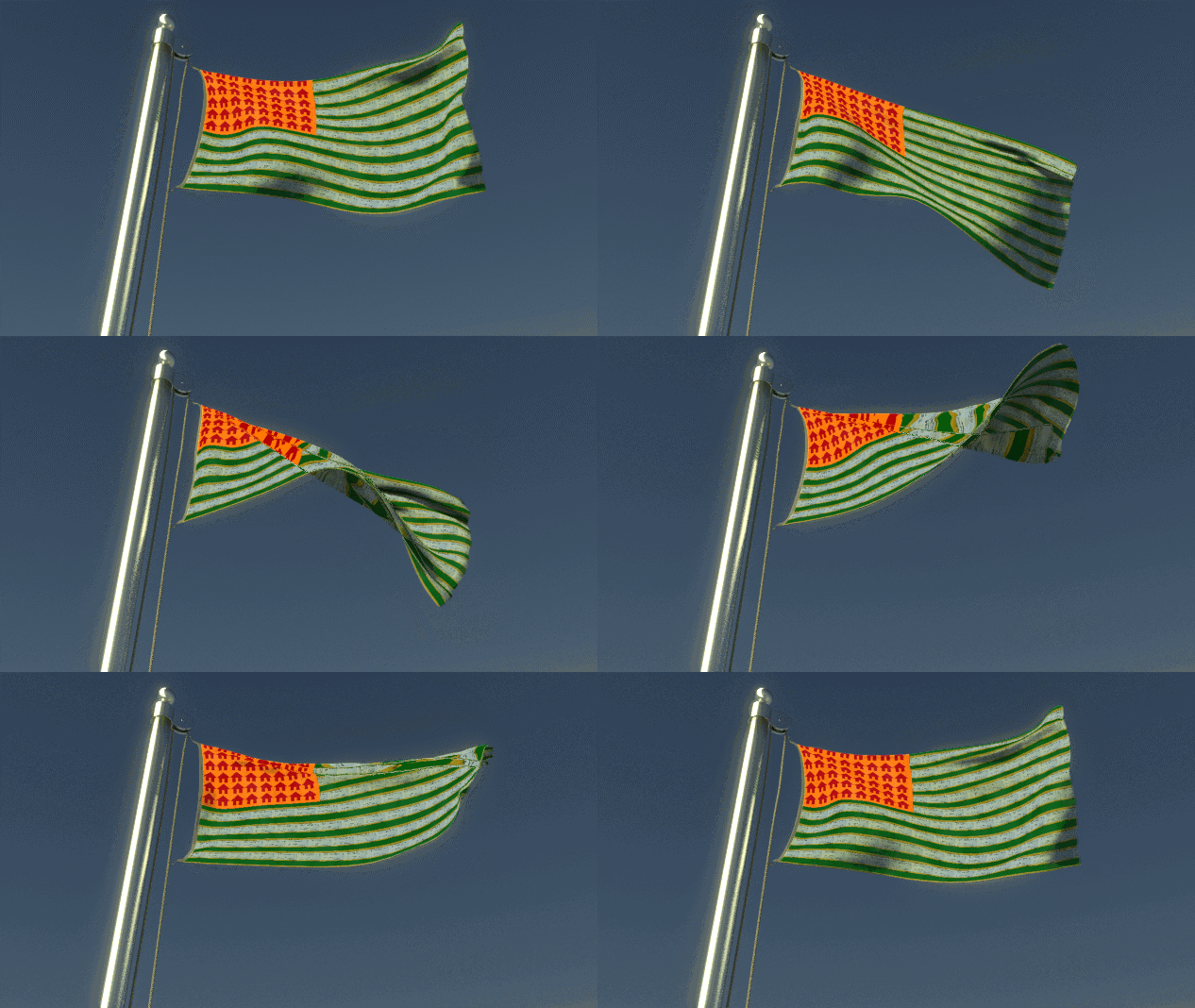
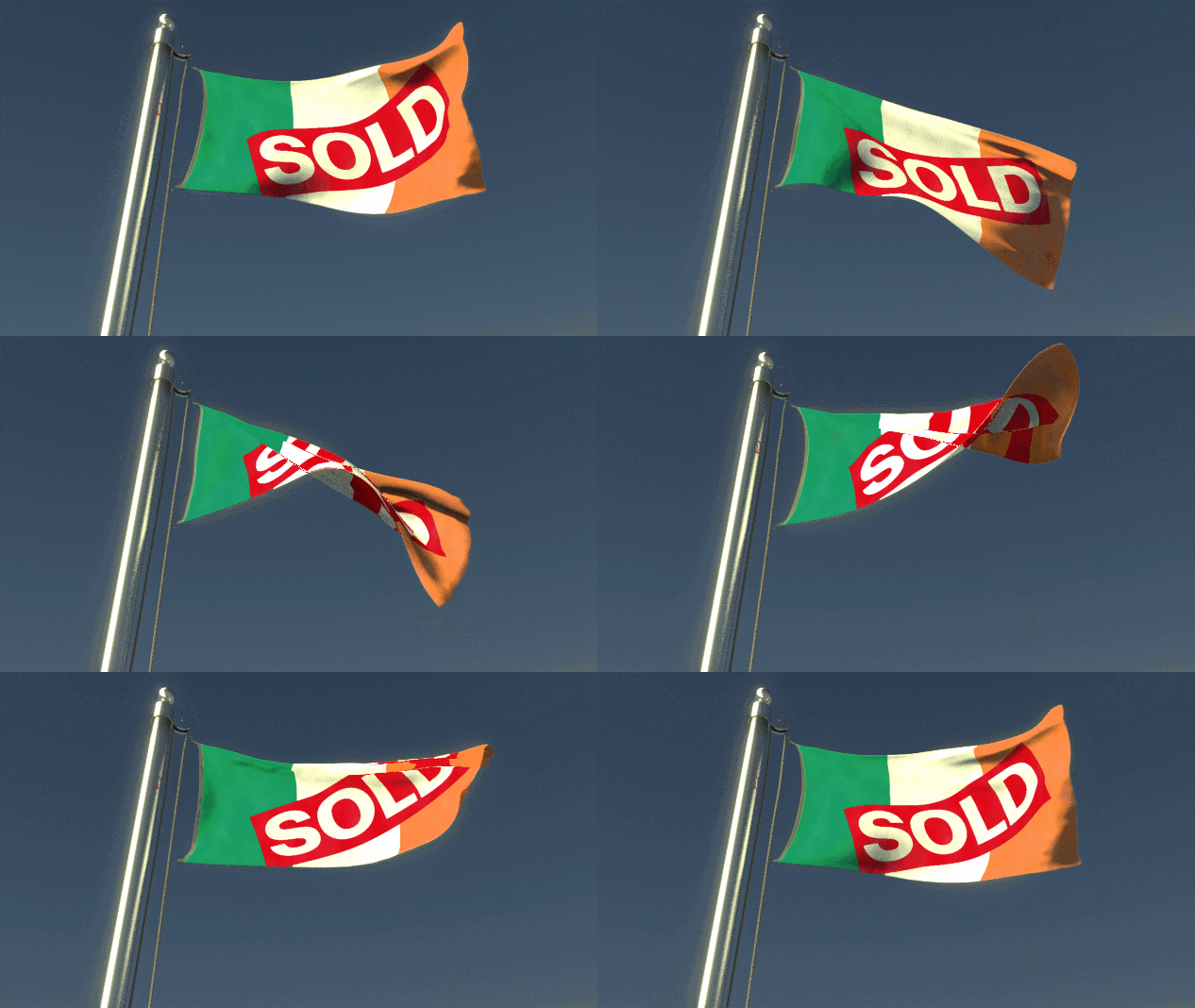
The signing of the 1921 Anglo-Irish Treaty contributed to the beginning of Ireland’s journey toward independence. In 1921, cultural identity in Ireland was largely defined in binary terms—Nationalist and Unionist—reflecting deeply polarised political and cultural positions. Today, the flag remains a highly contested symbol across Ireland, continuing to embody unresolved histories, identities, and claims of belonging.
In contrast, contemporary Ireland is a culturally diverse society in which identities are multiple, fluid, and increasingly recognised as part of a more inclusive national narrative. A Flag for Ireland poses a timely and provocative question: what might a future flag for Ireland look like today?
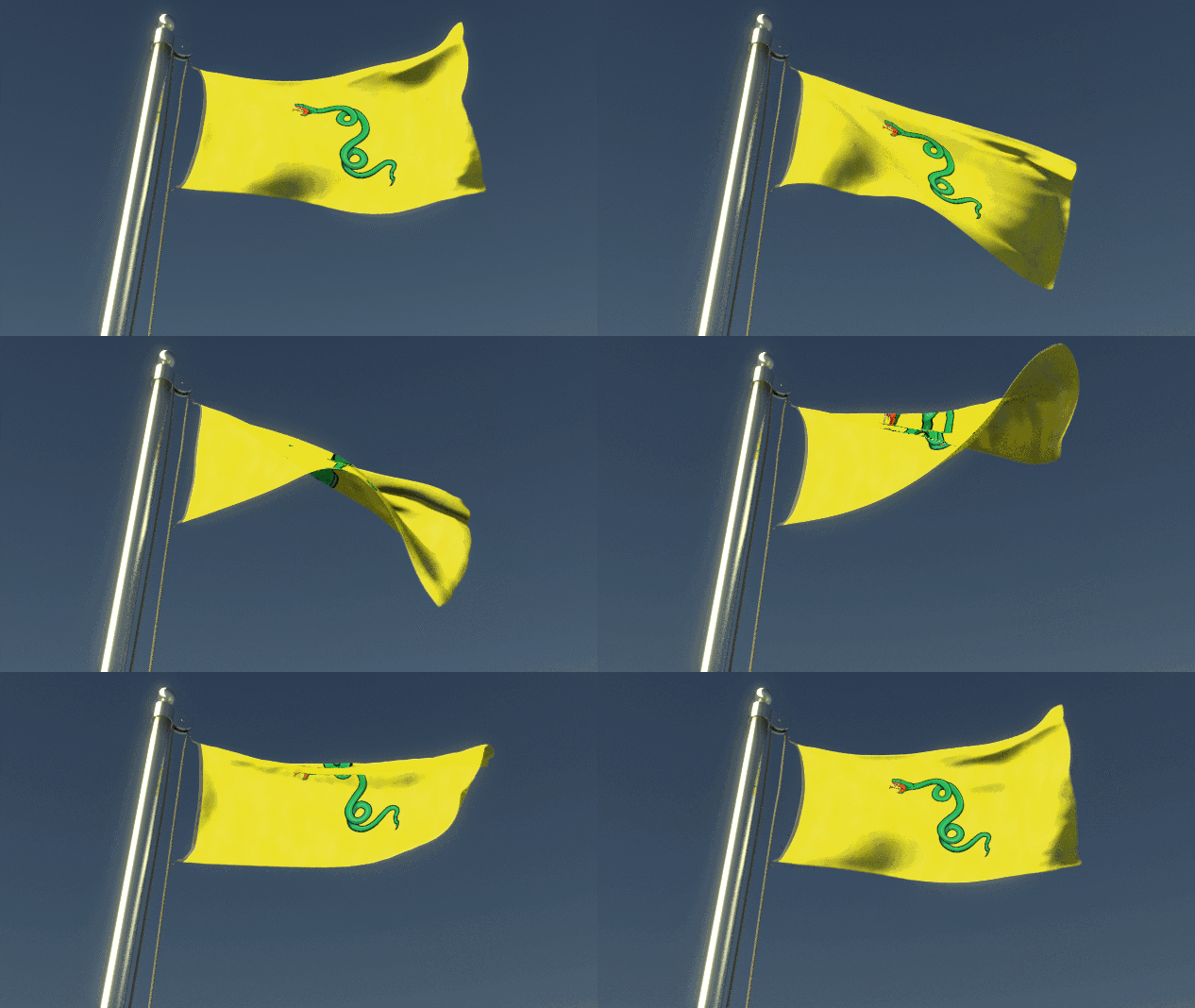
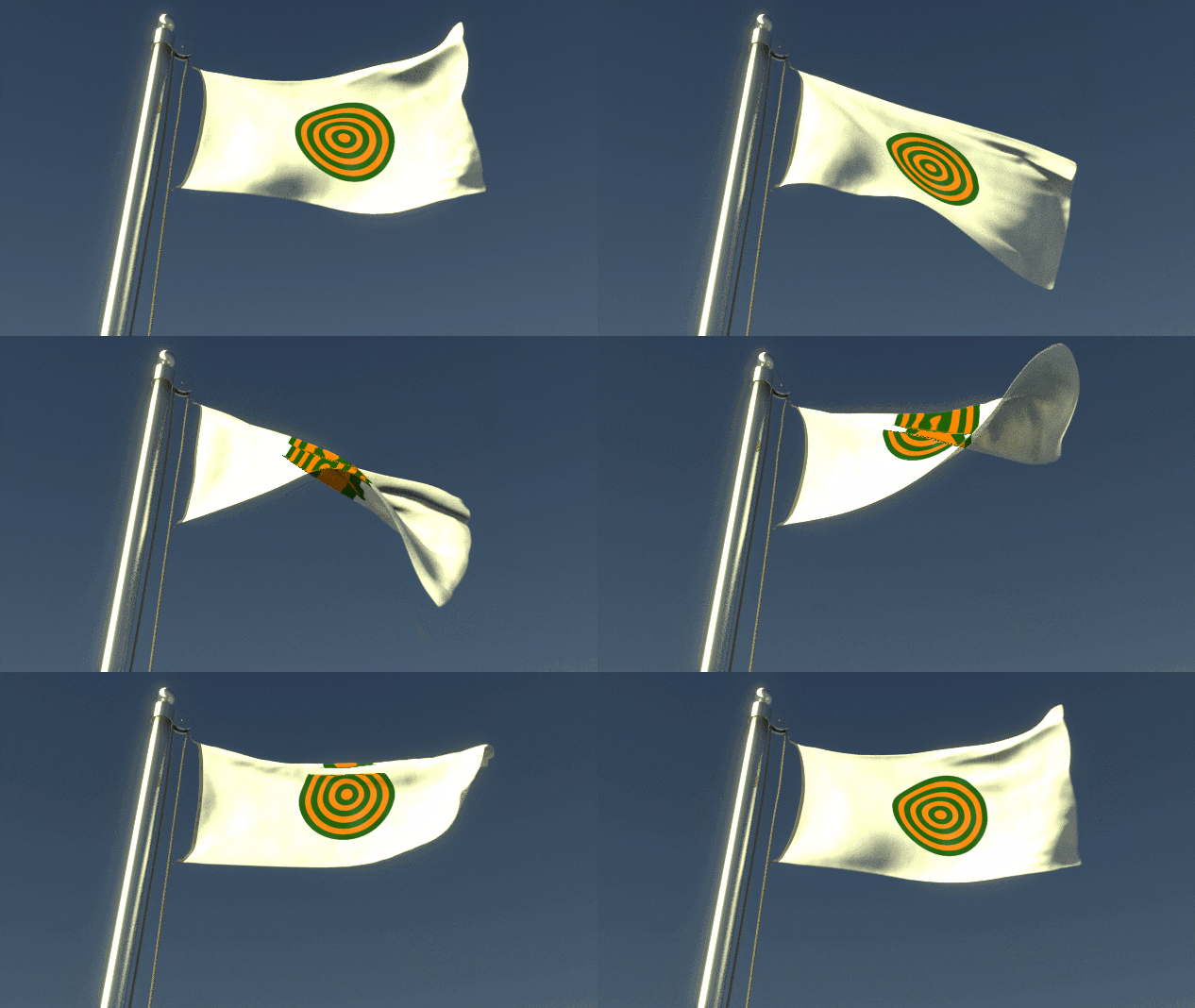
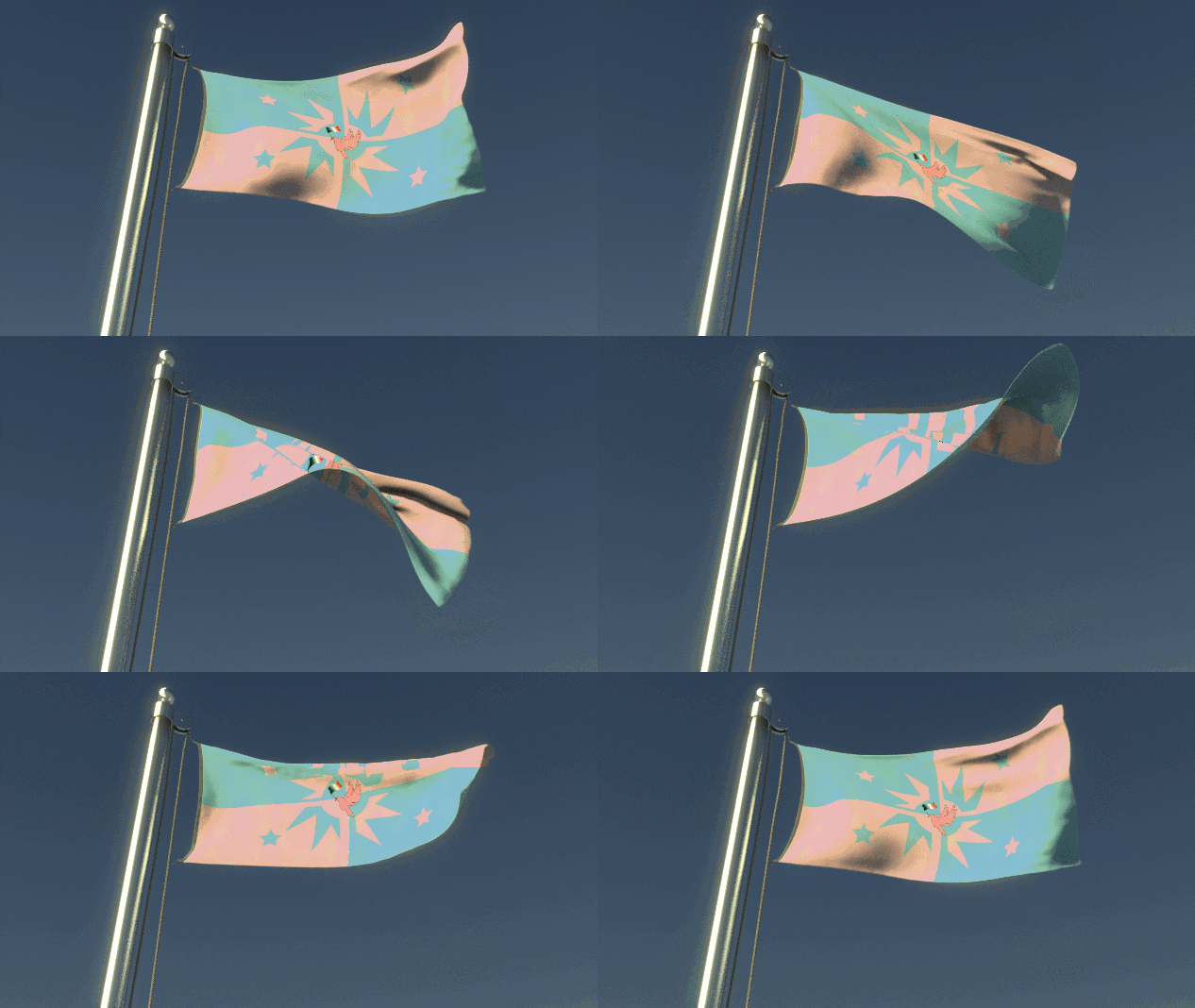
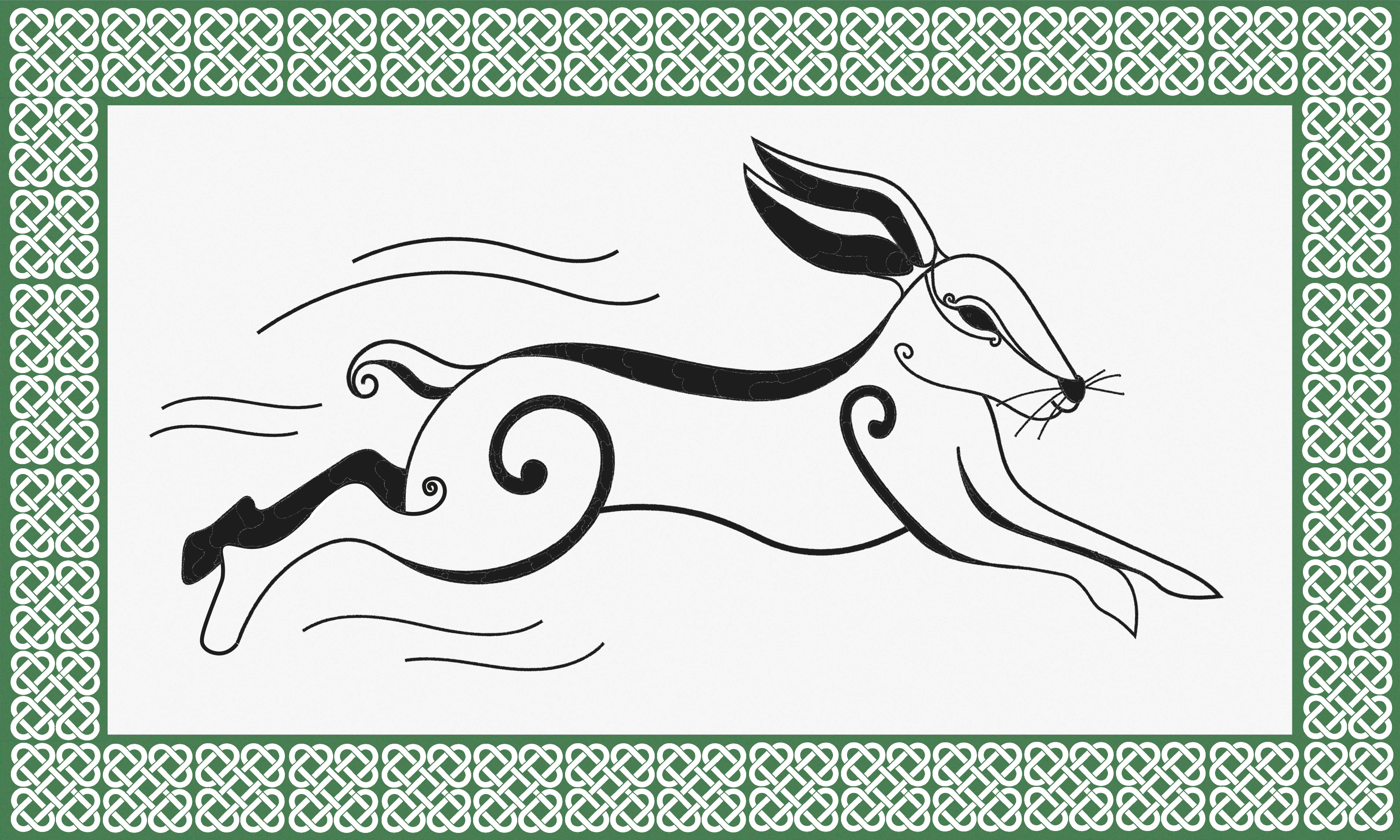
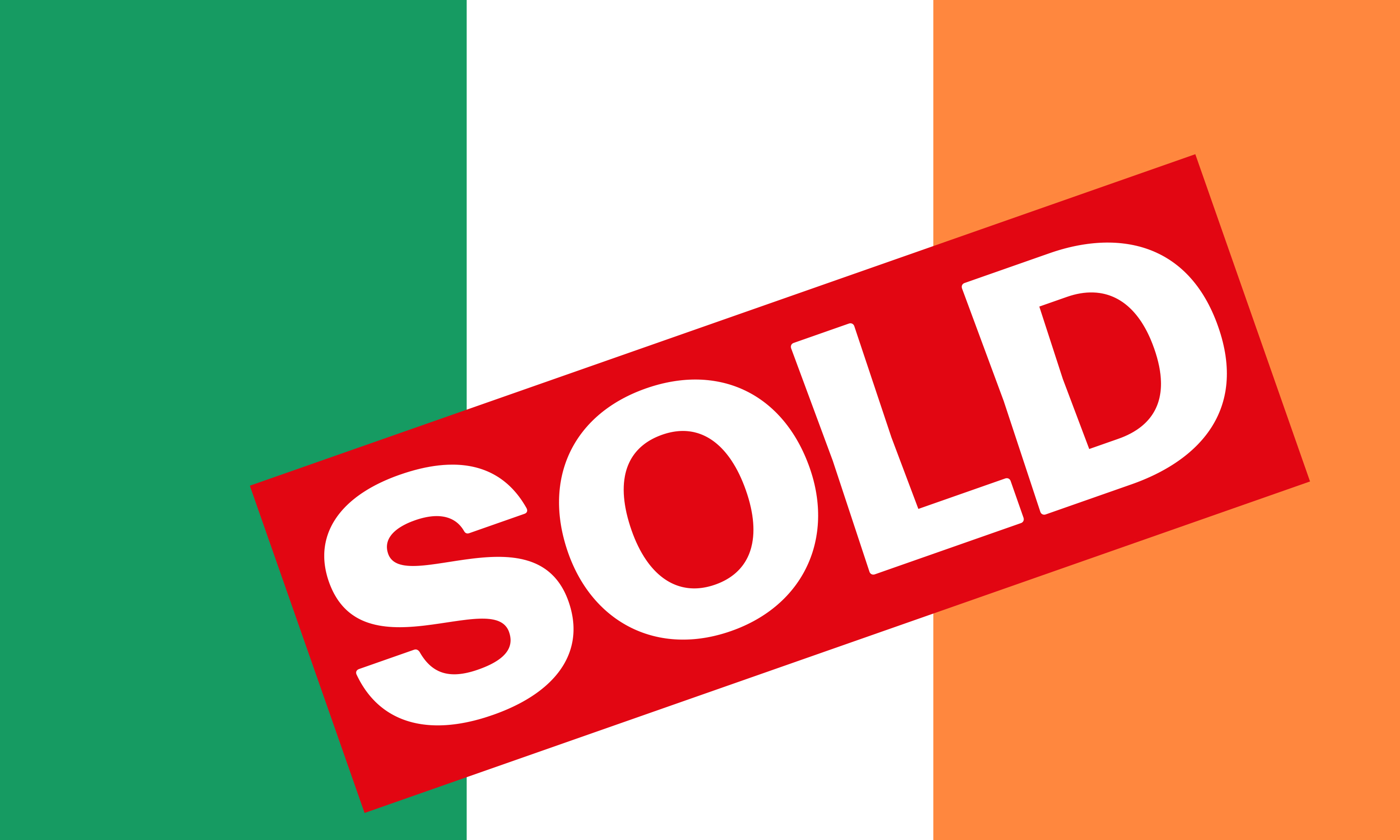
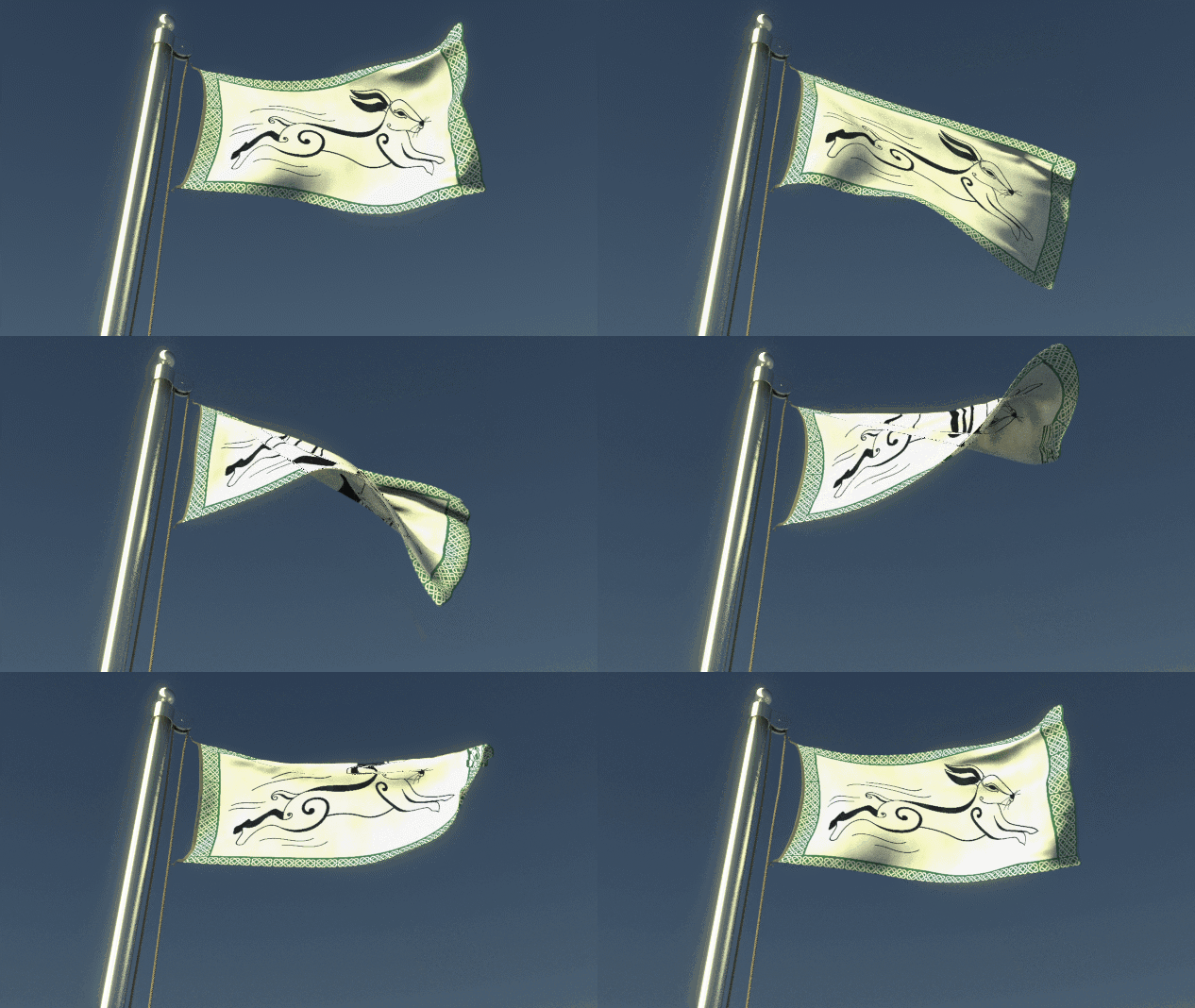
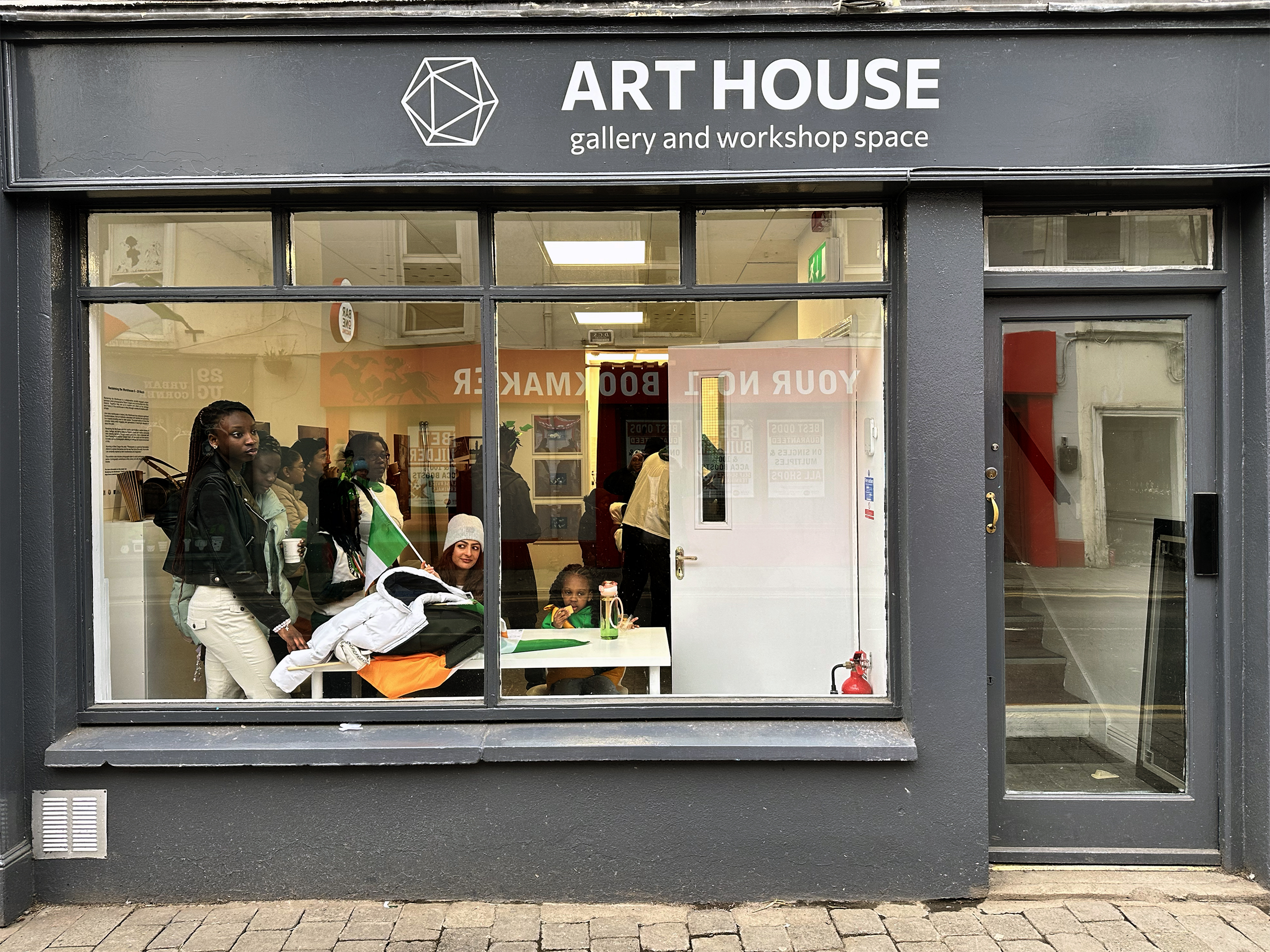
Participants collaborated with artist Anthony Haughey to draw, paint, or graphically design a future flag for Ireland that reflected a plurality of identities and lived experiences. The project also encouraged the creation of banners intended for public space – banners that articulated cultural identities, social concerns, and acts of protest. These included banners celebrating LGBTQ+ communities during Pride, as well as banners raising awareness of issues such as climate change, migration, and social justice.
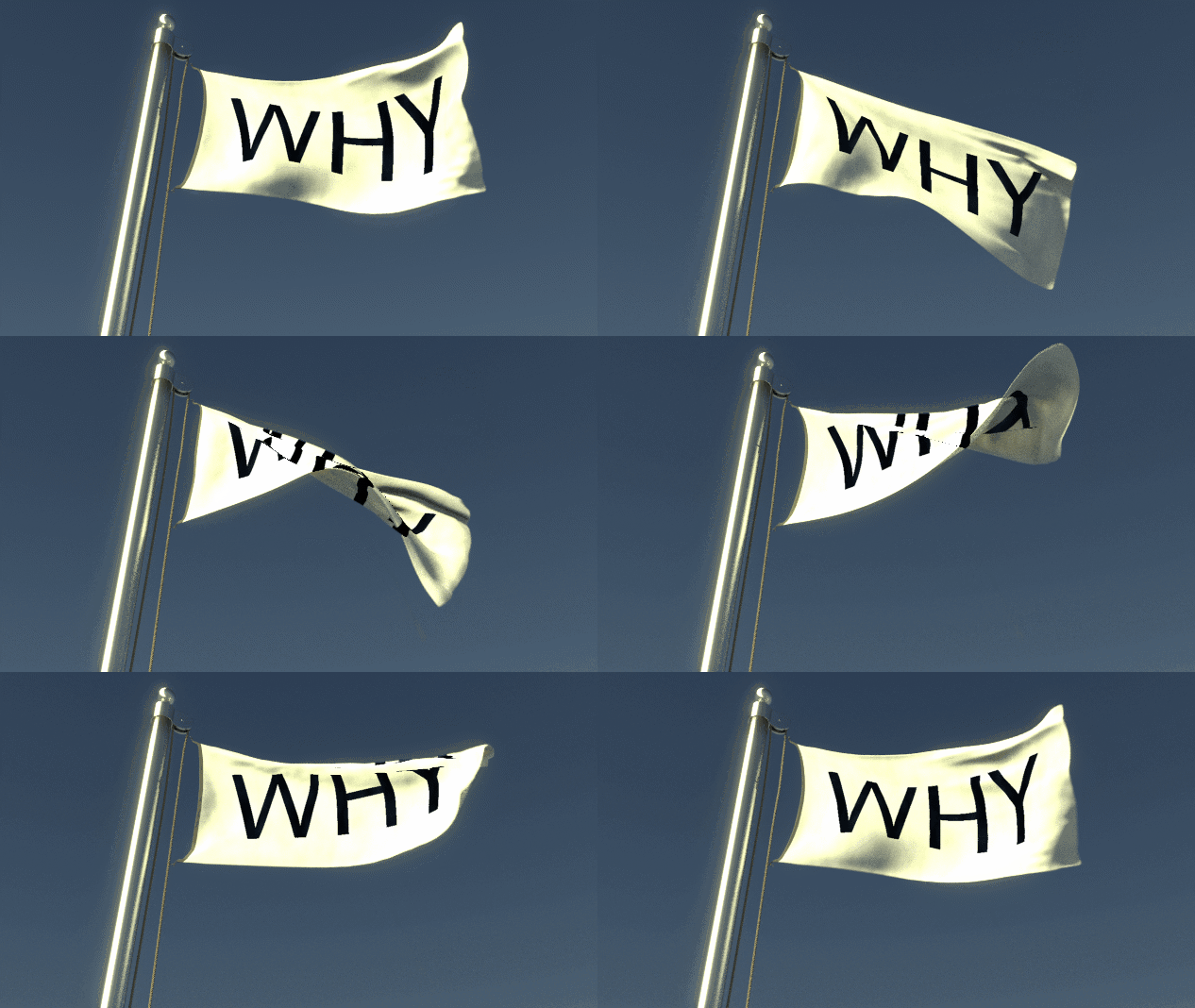
A selection of participants’ flags and banners were installed on flagpoles at the National Museum of Ireland and presented as part of a gallery installation. Situated within the architectural settings of the museum, the work contextualised contemporary expressions of identity within the broader historical narrative of the Irish state.